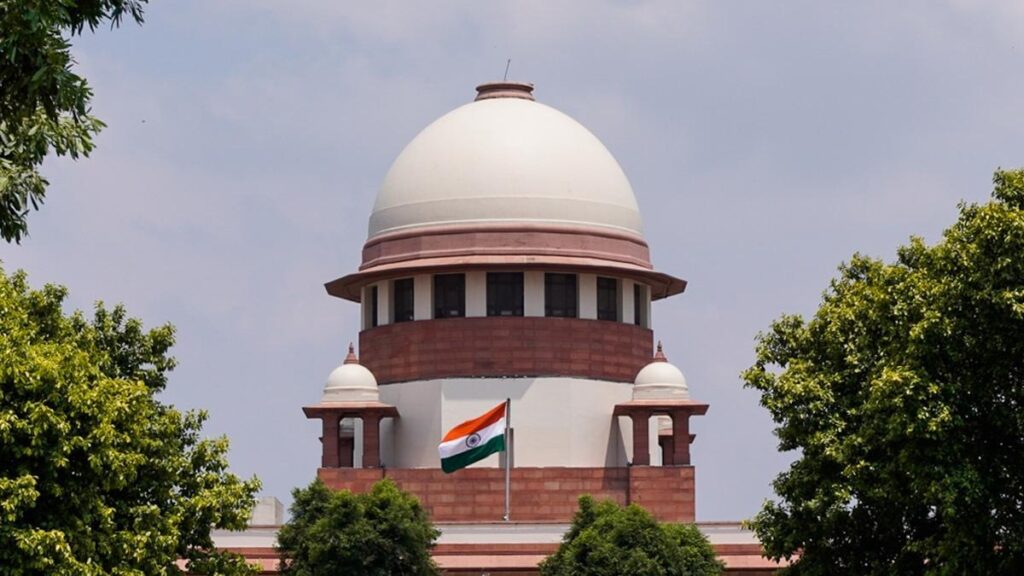
The Supreme Court of India announced on Tuesday it will establish a high-powered committee to investigate allegations of police excesses against student protesters during the National Eligibility Entrance Test (NEET) protests in Delhi. This decision comes amid growing concerns over student rights and police conduct following violent clashes on July 20, 2023.
The committee will consist of retired judges, a former Director General of Police (DGP), a former Central Bureau of Investigation (CBI) director, and other experts. Chief Justice Surya Kant, alongside Justices Joymalya Bagchi and V Mohana, indicated that the official order for this committee would be issued soon after gathering suggestions from various stakeholders. This collaborative approach aims to ensure a comprehensive examination of the events surrounding the protests.
The Supreme Court plans to hand over all relevant video footage and CCTV recordings captured during the protest violence to this high-powered committee. Intensive scrutiny of these recordings is expected to support claims made by female protesters who allege that they faced targeted abuse during the demonstrations.
While addressing the issue, the bench directed Solicitor General Tushar Mehta to provide detailed accounts of First Information Reports (FIRs) filed against the student protesters. The court signaled its intention to potentially quash these legal actions, invoking Article 142 of the Indian Constitution to support students’ rights to protest.
“It is the life of students that is at stake. We cannot overlook their future. They are entitled to protest under Article 19 of the Constitution,” the bench asserted, stressing the importance of safeguarding student interests in the face of legal challenges.
In a revelation during the hearings, Mehta informed the bench that police had pinpointed over 2,800 individuals with “anti-social elements” linked to serious offenses, who allegedly incited the violence that marred the July 20 protest. This acknowledgment raises questions about the broader implications of police strategy and the accountability of law enforcement agencies.
On August 3, the apex court clarified its stance on the term “criminal antecedents,” emphasizing that this description applied solely to individuals involved in serious criminal activities. This clarification aligns with the Centre’s position, which indicated a willingness to withdraw FIRs against students involved in the protests, contingent on no criminal histories.
The court previously articulated that police responses, including lathi charges, cannot be justified merely due to civil agitation. It reaffirmed that the right to peaceful protest is an inalienable right protected by law. This pivotal stance underscores the judiciary’s commitment to uphold democratic values while addressing the nuances of law enforcement in modern protests.
Amid these disputes, the protests in Delhi on July 20, organized by the Cockroach Janta Party, led to chaotic confrontations between demonstrators and police. Security forces deployed lathi charges and tear gas to disperse groups attempting to approach Parliament. Such actions have evoked widespread criticism and heightened scrutiny over police methodologies in dealing with peaceful assemblies.
This high-powered committee set to be formed by the Supreme Court represents a significant step in examining not only the specific events of the NEET protests but also the broader issues surrounding student rights, police accountability, and the state’s responsibility in managing public demonstrations. The resolution of such crucial matters underscores the necessity for a balanced approach to governance, law enforcement, and civil liberties in India.