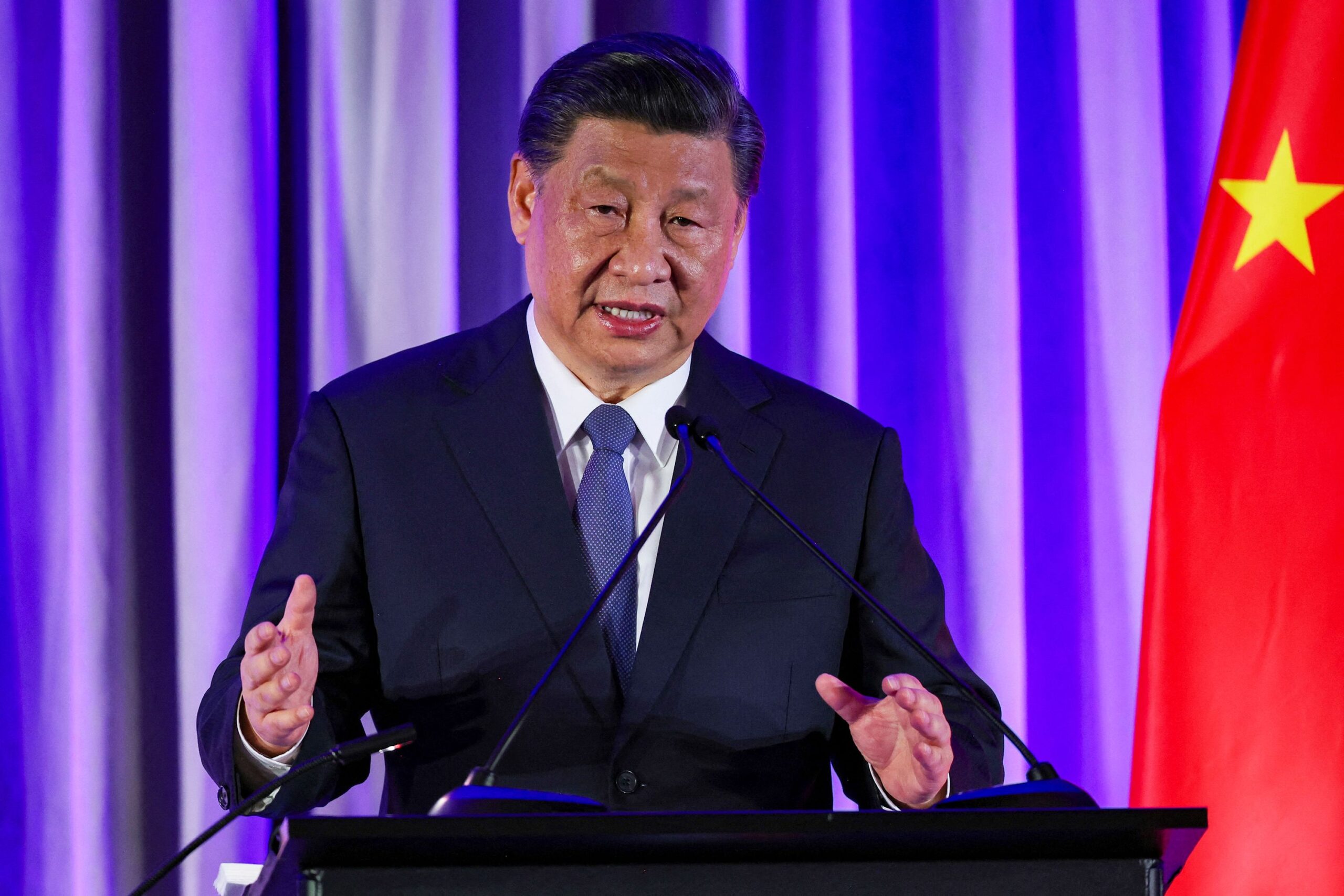
Beijing will host the APEC Economic Leaders’ Meeting in Shenzhen in November 2026, as announced by Chinese President Xi Jinping during the closing session of the current summit in Gyeongju, South Korea. The event will gather leaders from 21 nations across the Asia-Pacific region, marking a significant diplomatic engagement for China.
This upcoming APEC summit will be China’s third time serving as host, reflecting its growing role in regional cooperation among Asia-Pacific economies. President Xi articulated the importance of multilateralism during his address, emphasizing collaborative efforts towards economic recovery.
The Asia-Pacific Economic Cooperation, established to foster free trade and economic integration, plays a pivotal role in shaping policies that affect millions across the Pacific Rim. With economies spanning from the United States to Australia, the APEC summit serves as a platform for crucial dialogues on pressing issues such as trade, sustainable development, and regional stability.
In recent years, APEC has focused on digitization and trade facilitation. Xi’s announcement reaffirms China’s commitment to leading discussions that tackle these evolving challenges, aiding in the collective economic resilience of member nations.
Moreover, the choice of Shenzhen as the host city highlights China’s rapid economic development and its significant advancements in technology and innovation. Once a small fishing village, Shenzhen is now a global tech hub, underscoring the transformative power of economic liberalization.
As countries prepare for the 2026 APEC summit, anticipation builds around the issues that will dominate the agenda. Experts predict that climate change, digital economy, and trade tensions will remain central themes, reflecting ongoing global challenges.
In conclusion, as the APEC summit approaches, the focus will undoubtedly be on how collaborative efforts can foster a resilient and sustainable economic future for the Asia-Pacific region. The 2026 gathering in Shenzhen promises to be a pivotal event in shaping the direction of economic policies among the member countries.