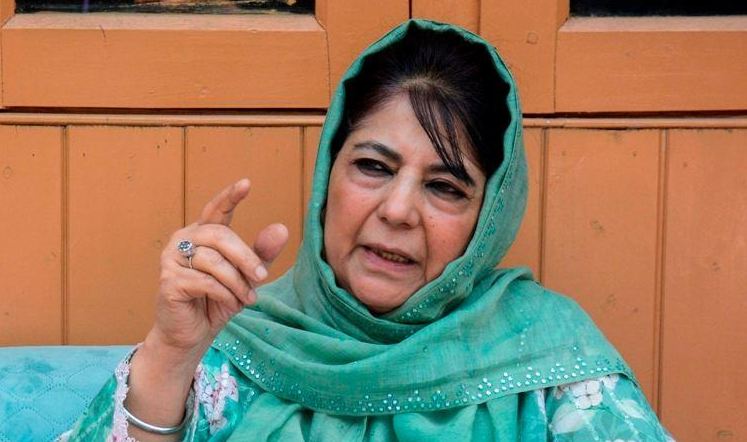
Peoples Democratic Party (PDP) chief Mehbooba Mufti addressed a significant disparity between two distinct generations in India, highlighting the challenges faced by Kashmiri youth in a response to Prime Minister Narendra Modi’s video posted on X. In her statement, she pointed out that while some are born into opportunity, others, particularly in Kashmir, grow up with inherited curfews and trauma.
In a video shared by Prime Minister Modi, he called for forgiveness for students who expressed their frustrations towards him during a protest at Jantar Mantar. However, Mufti firmly asserted that the Kashmiri youth do not require sympathy or charity; rather, they seek equal opportunities that are often denied to them.
“Hon’ble PM @narendramodi, there are two Gen Zs in India. One inherited opportunity; the other, in Kashmir, inherited curfews, crackdowns, internet shutdowns, lost classrooms, unemployment and trauma,” Mufti articulated in her statement. She emphasized that Kashmiri youth desire dignity, equal opportunities, and political space which would allow them to dream without the fear that currently plagues their existence.
Mufti’s remarks resonate deeply in the context of rising concerns about the mental and social well-being of Kashmiri youth, who face unique adversities that hinder their potential. She strongly believes that if compassion is to define the future of India, it must start with addressing the grievances of Kashmir.
This statement by Mufti comes at a time when the national conversation around youth empowerment and social justice grows ever more critical. The contrasting experiences of Generation Z across the country starkly reveal the inequalities that persist within Indian society.
As the debate continues over how best to support young people, Mufti’s call for action serves as a reminder of the vital need for an inclusive approach to national discourse—one that prioritizes equity and the fundamental rights of every Indian, especially those from marginalized regions like Kashmir.
In conclusion, Mufti’s engagement speaks not only to the youth of Jammu and Kashmir but also to policymakers and the public at large, urging for a more compassionate and understanding society. Her comments challenge the leadership to look beyond mere platitudes and to enact tangible changes that would benefit all generations equally.